


As a parent, it may be challenging for you to understand and respond to the special needs of our children as they navigate the holidays, especially when you’re doing so much to create a fun and meaningful Christmas season for them with gifts, celebrations, and happy memories.
While these situations can be stressful, they are normal.
Read on to understand why your child might be responding differently and how you can learn to navigate the holidays with your children struggling with the effects of trauma at home. This is the first of a two-part series on Navigating The Holidays.
Understanding the Need Behind the Behavior
When any special event comes around, we encourage you to not miss the “need” behind the array of emotions that your child may express in response to the special event.
Understanding is an excellent way to ensure you’re able to respond with compassion and kindness.
Some of your kids have experienced traumatic events such as parental separation, divorce, or have been removed from their family through foster or kinship care. Yet, they may have memories of joyful holidays with their parents or siblings, so they are grieving the loss of those times, and they might be missing their biological families.
On the other hand, some of your kids have never experienced a pleasant holiday. Their childhood years are marred by family dysfunction, abuse, abandonment, neglect, food insecurity, or unstable housing. Even through all your thoughtful and exciting planning, it’s foreign to them and, therefore, overwhelming.
Internalized & Externalized Symptoms
Often, our children’s behaviors result from an unmet need. However, because our kids are young and their emotions aren’t fully developed, they struggle with expressing those needs.
When a child with trauma is trying to navigate holiday stress, important behaviors to watch for include both internalized and externalized signs of overwhelm and anxiety.
While every child is different, here are a several more signs of what may be going on inside your children’s hearts and minds during the holiday season:
- Withdrawal or isolating themselves
- Guilt for celebrating without their parents or siblings
- Worry about the safety of their biological families
- Sadness and grief over what they have lost
- Anxiety and confusion caused by getting used to a new family, new environment, and new traditions
- Sensory overload because of lack of structure and routine surrounding a calendar full of too many social events, holiday sights and sounds which can lead to emotional outbursts
- Shame and guilt for not being able to meet your expectations of them
- Changes in appetite or unexplained stomach aches
- Increased irritability or mood swings
- Increased aggression
- Defiance
- Temper tantrums
- Impulsive behaviors
Take some time to think through these possibilities and better understand why the holidays may be difficult for your children. By focusing first on the need behind the behavior, we can then lead our children from a place of compassion and create realistic expectations for them to succeed during any special event.
KEY TAKEAWAY
If your child is having more meltdowns around the holidays, take time to understand the emotions behind their behavior. Then, ask God to help you have compassion for your child so you can better serve them.
ACTIVITY
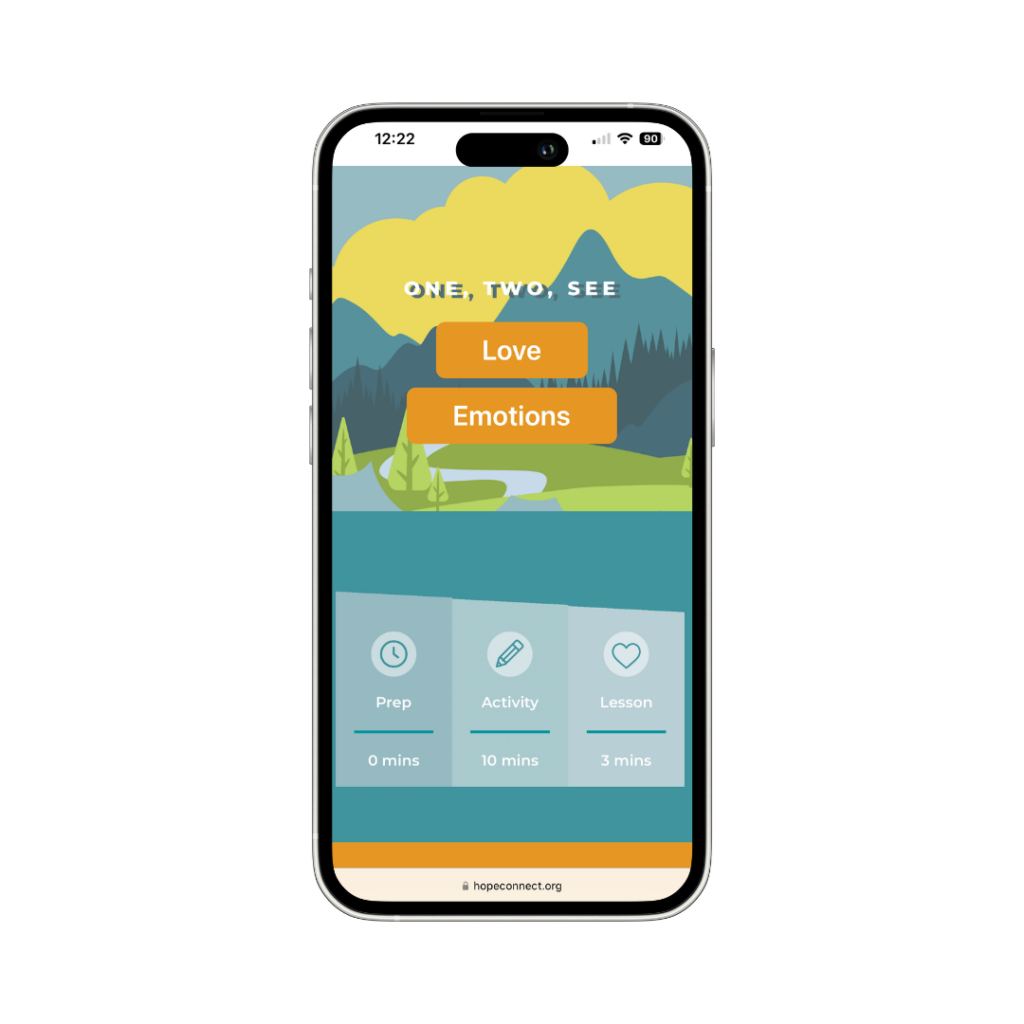
In our biggest hurts and upsets, it can be difficult to remember how much we matter. Remind your child just how special they are to God by playing Creation — “It was VERY good” — now available in HopeConnect™!
APPLICATION QUESTIONS
- What is your child’s biggest stressor this holiday season? Ask God to reveal to you why that is.
- Choose one strategy to help you support your child the next time they experience big emotions this holiday season.
KEY VERSE
The Lord is like a father to his children, tender and compassionate to those who fear him.
PRAYER
Dear Lord, thank You for the gift of being a parent. Please give me compassion for my child as we navigate this holiday season. In Jesus’ name, amen.