


Most parents want the absolute best for their children, which means teaching them to embody the same qualities Jesus demonstrates in the Bible.
Moms, Dads, and caregivers are reminded in Proverbs 22:6 “Train up a child in the way he should go; even when he is old he will not depart from it.” (ESV)
In the book Overcoming, written by renowned psychologists Nicole Gilbertson Wilke, Ph.D. and Amanda Hiles Howard, Ph.D., and published by CAFO, our strategic partner, the authors state that children develop resilience most powerfully through consistent, loving relationships in the home that reflect God’s character.
In Part 6 of our Resilience Series, you’ll learn how to model the behavior you want to see in your own children.
How to Model Christ-Like Behavior for your Children
Parenting today can feel overwhelming. There are many external influences and voices vying for our attention. We should strive to always keep our eyes on Jesus as our standard. He is the only one that can model Christ–like behaviors, and as we model our lives after Him, we will be able to train up our children well.
Once safety is established, children need something steady to hold onto: a nurturing relationship, a predictable routine, or new patterns of thinking and behaving. The brain cannot simply be told to “stop” old survival responses; it must be gently guided toward new, healthier ones.
The authors highlight 3 simple but important ways you can help your child learn Christ-like behavior at home:
1. Be an example
Psychologist Alfred Bandura said we learn through observation, and a child focuses on relevant models. Bandura, in his famous Bobo Doll experiment, proved that children focus on the behavior of relevant models — you, mom, and dad! And they convert the memory into action.
In Bandura’s Bobo Doll experiment, children observed adults on television beating up the Bobo Dolls. When left alone in the room with the Bobo Dolls, the children began to model the behaviors they had witnessed.
We know that children don’t just listen to what we say—they watch what we do. Children are always watching! Whether you’re stuck in rush hour traffic, or dealing with a difficult neighbor, your children are observing and learning from you. Your daily actions, big and small, give them a model to follow.
2. Model confession and forgiveness
One of the most humbling moments you will face as a parent is having to apologize to your child and ask for their forgiveness. While humbling, this is one of the best ways to model for your child that not even parents are perfect; we all make mistakes.
The Bible says in 1 John 1:9, “But if we confess our sins to him, he is faithful and just to forgive us our sins and to cleanse us from all wickedness” (NLT). Modeling confessing our wrongs to our children allows them to learn repentance, forgiveness, and grace.
Dr. Wilke reminds us that “In a Christ-centered home, mistakes are not the end of the story; they are an invitation to confession, forgiveness, and repair.” She goes on to say, “Grace does not erase limits; it fills our limits with love, patience, and a path back to connection.”
3. Emphasize character over results
It’s easy to overlook seemingly insignificant sins like going over the speed limit and telling little white lies to get out of doing something (“I can’t serve this Sunday, I’m not feeling well”). Mom, Dad, and caregivers remember this: It’s important to maintain spiritual integrity.
Our children need to see us owning our stuff and being honest in situations and our dealings with others. So, even if it means we arrive late for a meeting, it’s important that we demonstrate good character, and not make excuses or try to justify our actions. The ends do not justify the means when demonstrating good character.
We are relevant models to our children and can show them every day how to be like Christ. When we can help them replace some of the negative behaviors with positive, Christ-centered behaviors, we help them develop resilience to overcome obstacles.
KEY TAKEAWAY
Children learn through relevant models and the modeling of positive Christ-centered behaviors help them learn positive ways to behave and cope with obstacles.
APPLICATION QUESTIONS
- How can I demonstrate Christ–like behaviors to my child in difficult situations?
- How can I make Jesus my one and only model for parenting my child?
ACTIVITY
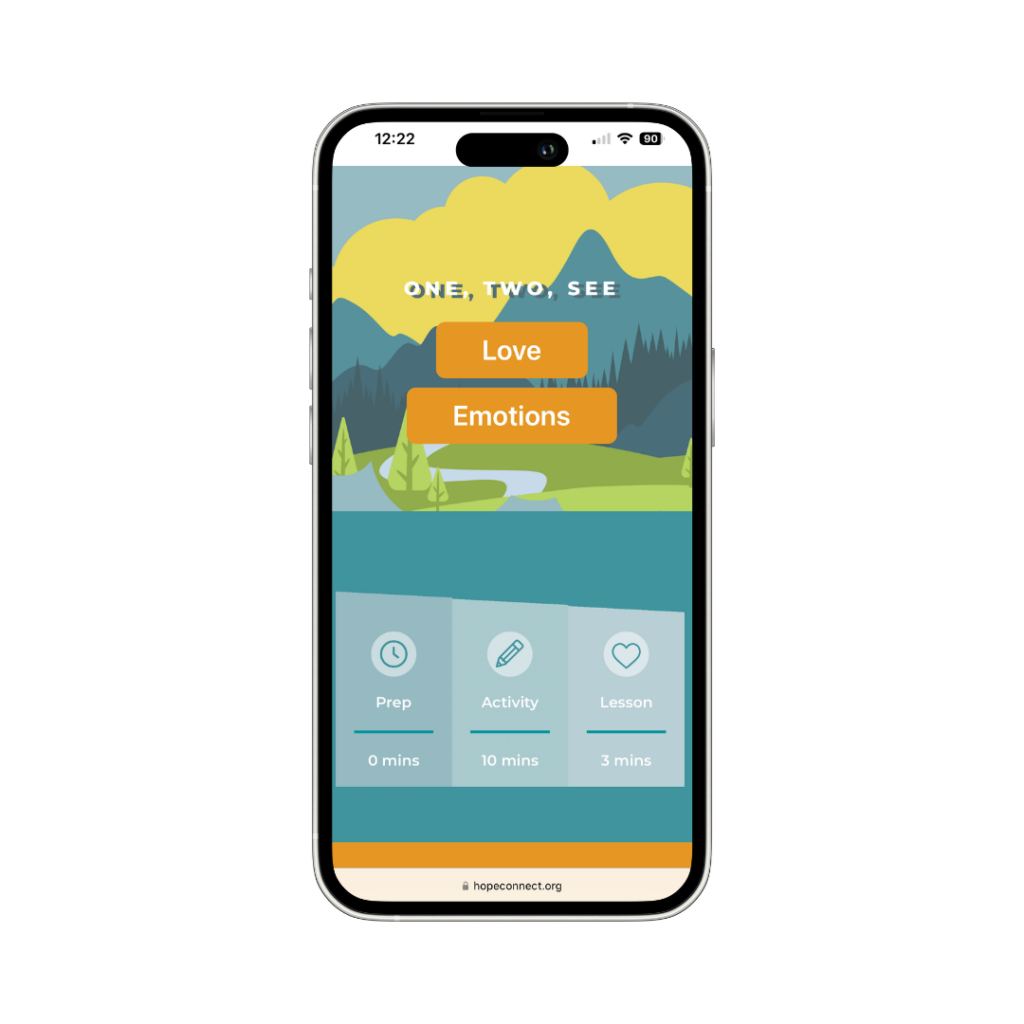
We are all works in progress! You can use yourself, or characters in the Bible to help your child learn positive behaviors. Games like A Wonderful Work in Progress demonstrates positive behaviors by Bible characters that your child can emulate. Find this game and more in the Everyday MomentsTM collection.
KEY VERSE
“Direct your children onto the right path, and when they are older, they will not leave it.”
PRAYER
Heavenly Father, help me to be more like you, and to model your love, goodness, mercy and grace to my child in every situation. In the name of Jesus, Amen.